

If you searched for Digestiveaz.com, you may have expected to land on the website for Digestive Health Specialists in Scottsdale, Arizona. Instead, the domain now redirects to Arizona Digestive Health, a larger gastroenterology network whose site includes provider search, locations, endoscopy services, patient resources, clinical trials, and appointment tools. That change matters because older search results and indexed pages can still show the former Digestive Health Specialists branding, while the live destination reflects the broader Arizona Digestive Health organization.
This guide explains what the domain represents now, what happened to the older site structure, which Scottsdale practice remains connected to the domain, what services patients may encounter, and how to evaluate the information before scheduling GI care. It also separates verified current details from legacy material—a useful distinction for anyone trying to find a gastroenterologist, colonoscopy, upper endoscopy, inflammatory bowel disease care, or digestive health services in Arizona.
What Is Digestiveaz.com Today?
At present, entering Digestiveaz.com sends visitors to the Arizona Digestive Health website. The destination describes Arizona Digestive Health as a gastroenterology organization whose board-certified physicians diagnose and treat conditions involving the esophagus, stomach, colon, liver, pancreas, and gallbladder, while the website lists both routine and advanced diagnostic and therapeutic services.
The redirect does not mean the Scottsdale identity has disappeared. Arizona Digestive Health maintains a current location page for Digestive Health Specialists of Arizona – Scottsdale at 8573 East Princess Drive, Building B, Suite 215, Scottsdale, AZ 85255, along with a related endoscopy center in Suite 117.
That makes Digestiveaz.com best understood as a legacy or navigational domain now feeding into a larger care network. For patients, the practical result is simple: older links may describe the former standalone practice, while current scheduling, provider profiles, service navigation, and patient resources increasingly live under Arizona Digestive Health.
Why the Domain Redirects to Arizona Digestive Health
The current destination is part of a broader organizational story. Arizona Digestive Health entered a partnership with GI Alliance in 2019; GI Alliance described ADH at that time as a major Arizona gastroenterology group with a large Phoenix-area footprint and multiple affiliated endoscopy centers.
The live Arizona Digestive Health site also identifies the organization as a GI Alliance partner. It presents centralized navigation for providers, locations, services, patient forms, insurance information, colonoscopy instructions, payment, and a patient portal.
For someone arriving through Digestiveaz.com, this consolidation has a real benefit: you are no longer limited to a small set of condition pages. The current ecosystem gives patients a wider path to find care by physician, geography, procedure, or clinical need.
The Legacy Site vs. the Current Destination
The contrast is easy to see in indexed material. The older Digestive Health Specialists sitemap associated with Digestiveaz.com highlighted six main condition areas—acid reflux/GERD, colon cancer screening, hemorrhoids, hepatitis, inflammatory bowel disease, and stomach cancer—plus colonoscopy, upper endoscopy, and flexible sigmoidoscopy.
The current Arizona Digestive Health site lists a considerably broader menu. That includes capsule endoscopy, EGD, ERCP, endoscopic ultrasound, esophageal dilation, esophageal and anorectal manometry, FibroScan, hemorrhoid banding, infusion therapy, small bowel enteroscopy, dietitian services, telemedicine, clinical trials, and more.
This expansion is one of the most important facts to understand about Digestiveaz.com. The domain’s search footprint may look like a local Scottsdale practice, but its live user journey now opens into a much larger GI-care platform.
The Scottsdale Practice Patients Are Looking For
Many people searching the domain are likely trying to locate the Scottsdale office that historically used the Digestive Health Specialists name. The current Arizona Digestive Health location page confirms that Digestive Health Specialists of Arizona – Scottsdale remains at 8573 East Princess Drive, Building B, Suite 215, with the listed phone number 480-563-5757.
A separate endoscopy-center page lists the same street address in Suite 117. That co-location can make the care journey more intuitive because office visits and certain endoscopic services are represented within the same Scottsdale complex, although patients should always confirm exactly where a scheduled procedure will occur.
Current provider listings for the Scottsdale location include gastroenterologists Layth Al-Jashaami, MD; Adam Harris, MD; Bradford Jones, MD; and Suzanne Skoog, MD, along with advanced practice clinicians.
Provider Experience and Credentials Visible Online
The provider pages offer more than names. Dr. Al-Jashaami’s profile notes prior academic and clinical leadership experience, including work connected with Banner University Medical Center and the University of Arizona College of Medicine. Dr. Jones’ profile states that he completed a gastroenterology fellowship at Mayo Clinic in Arizona.
Dr. Skoog’s profile states that she completed gastroenterology and hepatology fellowships at Mayo Clinic in Rochester and is board certified in gastroenterology. Dr. Harris’ profile lists gastroenterology fellowship training through Brown University/Rhode Island Hospital and notes multiple Phoenix Magazine Top Doctor recognitions.
These details strengthen the site’s E-E-A-T signals because patients can connect medical content and services with identifiable clinicians, training histories, specialties, and real-world locations. Still, awards and biographies displayed on a practice website are self-published information; patients comparing specialists can also verify board certification, insurance participation, hospital affiliation, and referral requirements independently.
What Digestiveaz.com Can Help Patients Find
The strongest use case for Digestiveaz.com is not reading a single generic digestive-health article. It is navigating toward a relevant physician, facility, procedure, or patient resource within the Arizona Digestive Health system.
Depending on the patient’s symptoms and physician recommendation, the wider site may help users explore:
- Colonoscopy and colorectal cancer screening, including preparation instructions and endoscopy locations.
- Upper endoscopy (EGD) for evaluation of the esophagus, stomach, and duodenum.
- Advanced endoscopy, including ERCP, EUS, enteroscopy, and endoscopic treatment options.
- Motility testing, such as esophageal manometry and anorectal manometry.
- Liver-related evaluation, including hepatitis management and FibroScan.
- Inflammatory bowel disease care, including Crohn’s disease and ulcerative colitis management pathways.
- Hemorrhoid treatment, including banding and infrared coagulation where appropriate.
- Infusion therapy and chronic care management for selected gastrointestinal conditions.
- Dietitian services, telemedicine, clinical trials, forms, insurance information, and patient portal access.
Not every service shown at the network level is necessarily performed at every office. Before assuming a Scottsdale physician or endoscopy center offers a specific advanced procedure, confirm the service on the relevant location or provider page or ask the scheduling team.
Colonoscopy, Screening, and Why the Site’s Procedure Content Matters
Colonoscopy is one of the highest-intent reasons people search for a gastroenterology practice. The older site featured colon cancer screening and colonoscopy prominently, and the current Arizona Digestive Health destination continues to surface colon cancer screening, colonoscopy information, and patient preparation resources.
For average-risk adults, the U.S. Preventive Services Task Force recommends colorectal cancer screening beginning at age 45, with routine screening strongly recommended through age 75 and individualized decisions generally advised from ages 76 to 85. Those recommendations apply to average-risk adults without signs or symptoms and do not replace personalized guidance for people with prior polyps, inflammatory bowel disease, hereditary syndromes, or other higher-risk histories.
That distinction is important. A gastroenterology website should help patients understand the pathway, but the correct test and interval depend on age, symptoms, prior findings, family history, and overall risk—not merely on a generic screening calendar.
Upper Endoscopy and Other Diagnostic Pathways
The legacy site also historically highlighted upper endoscopy, and the current destination lists EGD among its procedures. Upper GI endoscopy uses a flexible camera to examine the esophagus, stomach, and duodenum and can help evaluate persistent heartburn, vomiting, swallowing difficulty, upper abdominal symptoms, bleeding, Barrett’s esophagus, celiac disease, ulcers, and other conditions.
The value of a specialist site is not that it allows a patient to self-diagnose. Its value is helping a patient understand why a gastroenterologist might recommend a particular test, what preparation is involved, and what questions to ask before consenting.
For example, the National Institute of Diabetes and Digestive and Kidney Diseases notes that patients preparing for upper endoscopy should discuss their medical history and medications, follow fasting instructions, and arrange transportation when sedation is used.
How to Use Digestiveaz.com More Effectively
Because Digestiveaz.com now functions as an entry point into a larger website, users can save time by approaching it with a specific task rather than browsing randomly.
A practical patient workflow looks like this:
- Identify the goal. Are you looking for a Scottsdale gastroenterologist, a colonoscopy, an established provider, a procedure facility, or help for a symptom?
- Open the relevant location page. Confirm the street address, suite number, office phone, and whether you need the physician office or endoscopy center.
- Review the provider profile. Look for clinical interests, fellowship training, board certification statements, and the locations where that clinician practices.
- Confirm insurance participation. Network status can change, so verify with both the practice and your insurer before non-emergency care.
- Ask where the procedure will happen. The consultation office and procedure center may have different suite numbers or locations.
- Follow the exact prep instructions provided for your procedure. Do not substitute a generic colonoscopy or endoscopy prep guide from another website.
- Use urgent care appropriately. Online appointment forms are not designed for medical emergencies.
This workflow turns Digestiveaz.com from a simple domain lookup into a useful decision-making gateway. It also reduces common friction points such as arriving at the wrong suite, assuming every provider performs every procedure, or relying on outdated search snippets.
Trust, Safety, and E-E-A-T: How to Evaluate the Information
Healthcare content is a Your Money or Your Life (YMYL) category, so trust signals matter more than clever copy. Digestiveaz.com benefits from several credibility indicators on its current destination: named clinicians, physician biographies, physical locations, defined procedures, patient resources, legal and privacy pages, and an identified organizational relationship with GI Alliance.
But a trustworthy reader should still distinguish between three layers of information:
- Operational facts such as addresses, phone numbers, office hours, and provider locations should be checked on the current location page because they can change.
- Clinical education should align with recognized medical authorities and current specialty guidance.
- Individual medical advice requires a clinician who knows the patient’s history, medications, symptoms, test results, and risk factors.
That is the right way to use Digestiveaz.com: as a gateway to professional GI care and patient education, not as a substitute for diagnosis.
Red-Flag Symptoms Should Not Wait for Website Research
Digestive symptoms are common, but some patterns need prompt medical assessment. MedlinePlus advises medical evaluation for warning signs such as blood in the stool, significant changes in bowel habits, severe abdominal pain, unexplained weight loss, or heartburn that is not relieved by antacids.
NIDDK also identifies symptoms such as bloody vomit, black tarry stools, difficulty or painful swallowing, persistent vomiting, severe constant abdominal pain, jaundice, shortness of breath, and unintentional weight loss as reasons to seek medical attention in the context of significant indigestion symptoms.
If symptoms are severe, rapidly worsening, or potentially life-threatening, do not rely on an online contact form. Seek appropriate urgent or emergency care.
What Makes Digestiveaz.com Different From a General Gut-Health Blog?
A general digestive-health publisher may explain bloating, reflux, constipation, IBS, probiotics, or the microbiome. Digestiveaz.com, by contrast, is tied to an actual gastroenterology care pathway with identifiable clinicians, a Scottsdale office, an endoscopy center, procedure preparation resources, and access to a broader Arizona network.
That distinction matters for search intent. Someone asking “what causes bloating?” needs education; someone searching a practice domain is often closer to booking an appointment, verifying a doctor, finding a procedure location, accessing forms, or preparing for endoscopy.
The current redirect therefore makes the domain more useful for transactional and local healthcare intent than for broad informational queries alone. For patients, that is a feature—not a flaw—as long as the redirect is understood.
FAQ About Digestiveaz.com
1. What happened to Digestiveaz.com?
Digestiveaz.com now redirects visitors to the Arizona Digestive Health website. Older indexed pages still show Digestive Health Specialists branding and a Scottsdale-focused sitemap, while current Arizona Digestive Health pages preserve a “Digestive Health Specialists of Arizona – Scottsdale” location at the same East Princess Drive address.
In practical terms, the old domain has become a bridge into a larger gastroenterology network rather than operating as the same standalone website structure found in older search results.
2. Is Digestiveaz.com associated with a real Scottsdale gastroenterology practice?
Yes. Current Arizona Digestive Health pages list Digestive Health Specialists of Arizona – Scottsdale at 8573 East Princess Drive, Building B, Suite 215, Scottsdale, AZ 85255, and a related endoscopy center at the same address in Suite 117.
Patients should verify the suite and appointment type before traveling because clinic visits and procedures may be handled in different parts of the building.
3. Which gastroenterologists are listed for the Scottsdale location?
The current Scottsdale location page lists Layth Al-Jashaami, MD; Adam Harris, MD; Bradford Jones, MD; and Suzanne Skoog, MD as gastroenterologists, along with physician assistants and nurse practitioners.
Provider rosters can change, so use the current location page when choosing a clinician. If you need a specific procedure or subspecialty focus, confirm that the provider handles that service at the location where you intend to receive care.
4. Can I use Digestiveaz.com to schedule a colonoscopy?
The redirected site provides pathways for appointments, colonoscopy information, patient instructions, provider search, and location search. The Scottsdale location page directs patients to request an appointment and provides a phone number for scheduling.
Whether you can schedule directly without a prior consultation depends on your clinical situation, insurance rules, the practice’s workflow, and whether an open-access screening pathway is available to you. Confirm those details with the office rather than assuming eligibility.
5. Is the medical information on Digestiveaz.com a substitute for seeing a gastroenterologist?
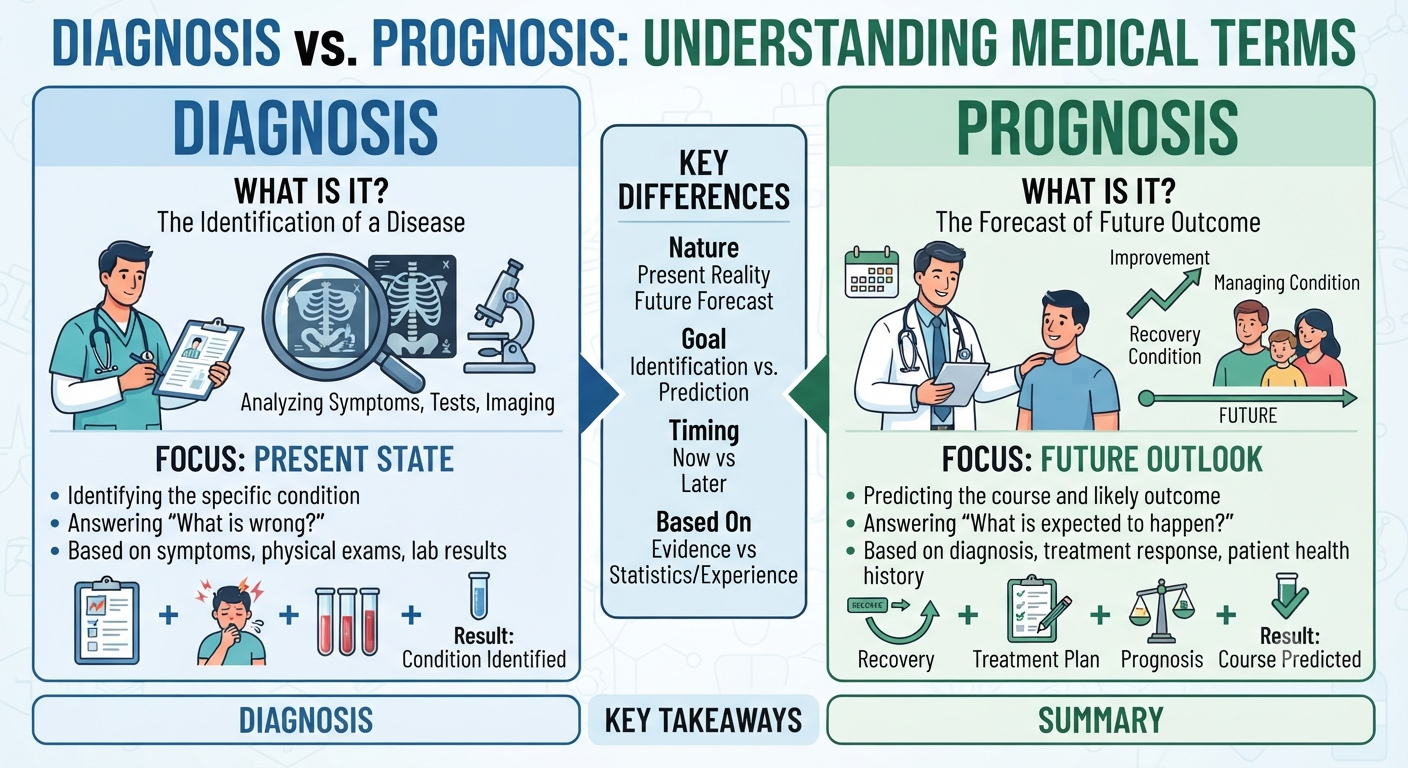
No. Digestiveaz.com and its current Arizona Digestive Health destination can help you understand services, locate clinicians, access forms, and learn basic information about digestive conditions and procedures, but website content cannot evaluate your personal medical history or establish a diagnosis.
Use the site to prepare better questions and navigate care. If you have persistent symptoms, rectal bleeding, black stools, severe abdominal pain, unexplained weight loss, repeated vomiting, difficulty swallowing, or another concerning change, seek professional medical evaluation rather than relying on self-diagnosis.
Final Takeaway: How to Use Digestiveaz.com With Confidence
The most important thing to know is that Digestiveaz.com is no longer simply the old Digestive Health Specialists website many searchers remember. It now routes into Arizona Digestive Health, while the Scottsdale practice identity continues as a current location within that broader system.
Use that to your advantage. Start with the current provider or location page, verify the exact office or endoscopy suite, confirm insurance and procedure availability, follow only the prep instructions issued for your case, and bring persistent or concerning GI symptoms to a qualified clinician rather than trying to diagnose them online.
For patients in Scottsdale and across Arizona, Digestiveaz.com is best viewed as a practical doorway: one that connects legacy local recognition with a wider gastroenterology network, more extensive procedural capabilities, and modern patient-navigation tools.








Leave a Reply