
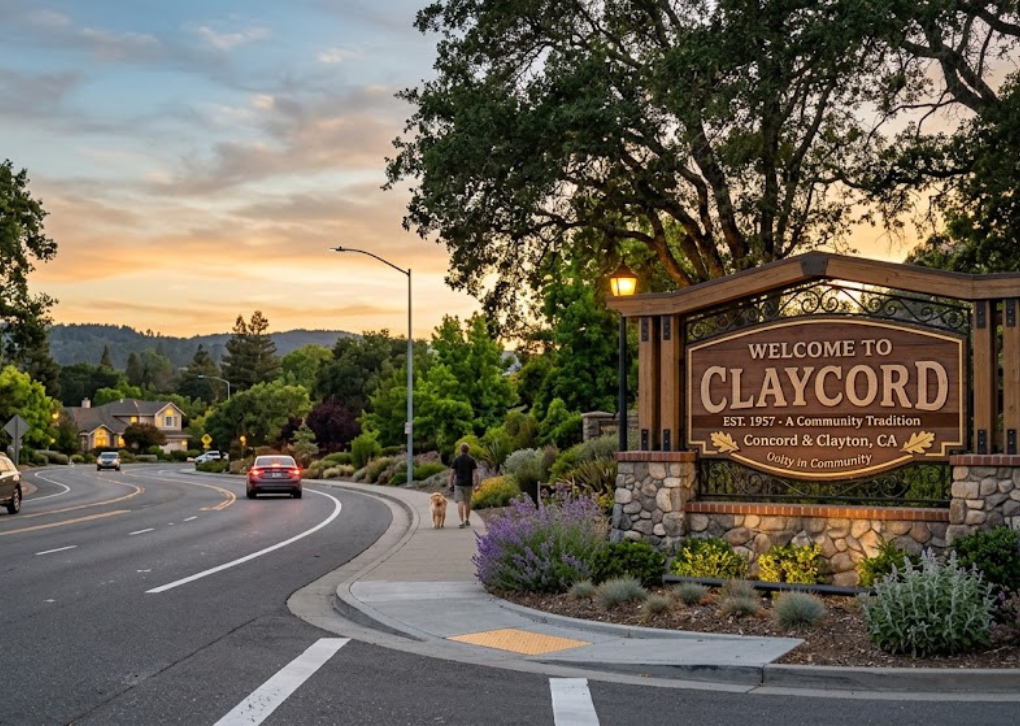
When something unexpected happens in your neighborhood, waiting for the next television news broadcast isn’t always practical. Claycord com offers a closer look at the stories affecting residents of Concord, Clayton, Pleasant Hill, Walnut Creek, and surrounding communities in California’s Contra Costa County. From breaking news and police activity to local government decisions and neighborhood conversations, the website provides a distinctive window into everyday life in the East Bay.
Unlike major news organizations that cover entire metropolitan regions, Claycord.com concentrates on the issues people encounter near their homes, workplaces, and schools. Its combination of hyperlocal journalism, community-submitted information, public safety coverage, and interactive discussions makes it especially relevant to residents looking beyond statewide or national headlines.
Understanding how the platform works, what information it provides, and how to evaluate its reporting can help readers make better use of this longstanding local news resource.
What Is Claycord com?
Claycord.com is a community-focused news and discussion website primarily serving central Contra Costa County in the San Francisco Bay Area. It publishes reports about public safety, transportation, education, local politics, business developments, emergencies, and other matters affecting nearby communities.
The name “Claycord” combines Clayton and Concord, reflecting the website’s original geographic identity. Although the name might sound like an official municipality, Claycord is not a separate California city; it represents a shared regional identity created around the website and its readers.
The platform is particularly relevant to residents of these communities:
-
Concord: City government, development, businesses, schools, crime reports, and neighborhood issues.
-
Clayton: Community happenings, traffic, local history, and public safety updates.
-
Pleasant Hill: Municipal decisions, community development, and financial issues.
-
Walnut Creek: Regional transportation, public safety, and broader East Bay developments.
-
Martinez and surrounding areas: County government, legal developments, and community news.
Coverage sometimes extends beyond these locations when regional developments affect Contra Costa County residents.
How Claycord.com Became a Recognized Local News Platform
Claycord’s history reaches back to May 2006, according to an October 2008 profile published by SFGATE. The publication described its anonymous original writer as the “Mayor of Claycord,” a community member motivated by the belief that conventional news outlets were overlooking important neighborhood stories.
That motivation helped define the publication’s identity. Rather than competing primarily on national headlines, the platform concentrated on local incidents, neighborhood observations, and developments that larger publications might not cover.
Its early work attracted regional media attention, and its website lists multiple blogging awards and recognitions from the East Bay Press Club and Diablo Magazine. Those distinctions are part of the publication’s documented history, although they should not be confused with an independent assessment of every story published today.
What Types of News Does Claycord com Cover?
One of the website’s strengths is the range of local topics available in one place. Readers can discover stories about emergency situations, civic decisions, neighborhood businesses, and community concerns without searching across multiple regional publications.
1. Breaking News and Police Activity
Public safety is a prominent component of Claycord.com. Coverage includes arrests, criminal investigations, police activity, traffic collisions, fires, and emergency responses.
For example, the October 2026 homepage featured reports about a vehicle pursuit through Contra Costa County, a Clayton crime roundup, and a fire near Mitchell Canyon Road. These illustrate the publication’s attention to geographically specific incidents.
Such coverage is useful because incidents can directly affect travel routes, neighborhood safety, and daily activities. However, early reports may change as authorities release additional information.
For serious incidents, readers should compare developing stories with official law enforcement statements before treating preliminary details as established facts.
2. Traffic Conditions and Transportation Updates
Anyone who regularly travels through central Contra Costa County understands how quickly congestion can change a routine commute. Major corridors and highways connect residential communities with employment centers throughout the East Bay.
Claycord.com provides transportation-related coverage and links to useful resources such as California Highway Patrol traffic information, police scanners, and regional emergency services.
Readers can use these resources to investigate reported accidents, unusual roadway activity, and transportation disruptions. For immediate routing decisions, official incident information and live navigation services provide valuable additional context.
3. Local Government and Political Decisions
Municipal decisions can affect residents long after a news headline disappears. Property development, business taxes, infrastructure spending, school policies, and local elections all have practical consequences.
The website regularly covers these subjects, including Concord City Council races and proposed changes to local business taxation. In October 2026, for example, its coverage included Measure O and municipal budget concerns in Pleasant Hill.
This type of reporting helps readers identify decisions worth investigating. It can also direct attention toward council meetings, election materials, and government documents that deserve closer examination.
For particularly consequential issues, check the relevant city’s official agenda, staff report, or election information before forming a final opinion.
4. Community Events, Education, and Business News
Neighborhood life involves far more than emergencies and political debates. School programs, new businesses, restaurant closures, public events, and changes to familiar shopping centers shape how communities evolve.
Claycord.com publishes stories on these everyday developments. Its coverage of the closure of Huckleberry’s on Treat Boulevard and subsequent reader discussion about the building’s future illustrates this neighborhood-oriented approach.
Readers can also discover educational initiatives and other community developments that may not receive extensive regional coverage.
For local business owners, these stories reveal which issues and commercial changes are attracting community attention.
5. Weather, Fires, and Environmental Conditions
California residents regularly encounter challenges involving wildfire risk, smoke, extreme heat, storms, power interruptions, and changing environmental conditions. These developments can require practical decisions rather than passive news consumption.
The website’s coverage extends to weather-related and environmental stories, with links to earthquake information, PG&E power outage resources, and emergency communications.
These links are useful starting points, but official emergency alerts should remain the primary source for evacuation orders and immediate safety instructions.
Key Features That Make Claycord com Different
The website is not simply a collection of published articles. Its interactive features encourage readers to discuss regional issues, exchange observations, and share their own experiences.
The Water Cooler: Community Questions and Opinions
One distinctive feature is The Water Cooler, a recurring discussion format built around questions intended to encourage participation. Topics range from everyday personal experiences to public policy and controversial social issues.
For example, the website has asked readers about dining expenses, property rights, and technology use. The format makes it easy for residents to express opinions without requiring a formal letter to an editor.
These exchanges can reveal what interests active participants. However, comment sections are self-selecting communities and should not be interpreted as statistically representative public opinion.
Talk About Whatever and Talk About Politics
Claycord.com also maintains recurring open discussions where readers can communicate more freely.
Talk About Whatever provides space for general conversation, questions, observations, and newsworthy local information. Talk About Politics offers a separate place for political discussion, helping distinguish those debates from general community conversations.
The website explicitly directs users to keep political discussions out of the general thread. Its recurring posts also instruct participants to use consistent commenting names rather than multiple identities.
This arrangement gives the platform a recognizable community personality. Frequent visitors may encounter familiar screen names and continuing conversations across different topics.
The Claycord Online Museum
An especially interesting feature is the Claycord Online Museum, which preserves and showcases historical material related to the surrounding area.
Its content includes old photographs, documents, advertisements, and glimpses of businesses or neighborhoods that have changed over time. A 2025 feature about the original Safeway at Clayton Valley Shopping Center demonstrates the value of these local historical collections.
The website also invites readers to contribute historical photographs and materials. This gives the archive a community-supported character that differs from ordinary daily news reporting.
For longtime residents, the museum can inspire memories. For newer residents, it offers a way to understand how the region’s commercial spaces and neighborhoods developed.
How to Use Claycord com Effectively
Getting the most from a local news website requires more than opening the homepage. A few practical habits can make browsing more productive and help separate confirmed information from speculation.
Step 1: Visit the Official Website
Open Claycord.com in your preferred browser. The homepage displays recent articles, prominent stories, discussion links, and additional resources.
Review the publication dates before assuming a headline describes an ongoing situation.
Step 2: Search for Your Community or Topic
Use the site’s search function to look for relevant locations, businesses, or incidents. Searching by a street name, neighborhood, school, or specific issue may reveal articles that a broader city search misses.
When searching through Google, an additional technique is to use site:claycord.com followed by your keywords. This can help locate older stories or discussions that are no longer visible on the homepage.
Step 3: Read the Full Story and Its Updates
Headlines summarize information, but the body of an article may include qualifications, official statements, and subsequent corrections. Check whether an article contains an update, particularly when it concerns a developing emergency.
Pay attention to whether a claim comes from an identified agency, eyewitness, publication staff member, or anonymous commenter.
Step 4: Explore Relevant Community Discussions
Comments may contain firsthand observations, questions, and alternative perspectives. They can sometimes identify issues worth investigating further.
Treat those contributions as leads rather than independently verified evidence. A confident statement from an anonymous account is not necessarily accurate.
Step 5: Cross-Check Information When Necessary
For decisions involving safety, money, legal matters, or public policy, verify important details through official sources.
Useful alternatives include city government websites, the Contra Costa County Sheriff’s Office, California Highway Patrol, PG&E, and established regional news publications.
Is Claycord com Reliable and Trustworthy?
This is an important question for anyone using a community-driven news source.
Claycord.com has an established local presence, a lengthy publishing history, and documented recognition from other regional media. Its coverage includes public agency information and original community-focused material, making it a potentially valuable source for discovering local developments.
However, longevity and popularity do not guarantee that every published statement is correct.
The website’s own About & Terms of Use page acknowledges that its content may contain factual reporting alongside opinion, speculation, and potentially inaccurate information. It also distinguishes third-party comments from the publisher’s own views.
How to Evaluate the Credibility of an Article
A useful evaluation involves checking five elements:
-
Source: Does the story identify a police department, government agency, official document, or firsthand witness?
-
Date: Is the information current, or has the situation changed?
-
Evidence: Are photographs, public records, or official statements available?
-
Language: Does the article distinguish allegations from proven facts?
-
Confirmation: Do independent sources support the central claims?
This framework is particularly important for crime reports, allegations against individuals, and rapidly developing incidents.
The distinction between reporting and commenting also matters. Readers should not automatically attribute statements posted by community members to the publication itself.
Privacy and Safety When Participating on Claycord.com
Community discussions can be useful, but publishing personal information online creates risks. Readers should understand the site’s rules before submitting content, particularly photographs or allegations involving identifiable people.
The website’s terms prohibit racist comments, certain defamatory material, and posting the names of minors or people who have not already been named in a story.
Its policies also explain that submissions may be republished and that public comments do not carry an expectation of privacy. The terms describe circumstances in which identifying information may be disclosed for official legal purposes.
A safer approach is to avoid sharing private addresses, sensitive family information, unverified accusations, or identifying details about vulnerable people.
If you witness an emergency, contact the appropriate emergency service before posting online. A community comment is not a substitute for contacting authorities.
How to Submit a News Tip to Claycord com
One of the benefits of a locally focused publication is that community members can bring attention to issues that might otherwise remain unnoticed.
According to its official contact page, the address for news tips is news@claycord.com. The publication requests that news tips be sent to that address rather than to its advertising or other departmental contacts.
A useful submission should include the location, approximate time, a concise explanation of what happened, and any supporting information that can be shared lawfully.
For example, someone reporting a damaged traffic signal might provide the intersection, the time they observed the problem, and whether the signal was completely nonfunctional. Specific, verifiable details make an issue easier to investigate.
Avoid speculation about who caused an incident or why it occurred. If confidentiality is essential, discuss those needs directly with the publication and review its privacy and submission terms before sharing sensitive material.
Benefits of Claycord com for Different Audiences
The website serves people with different needs, and its usefulness depends on what a reader is trying to accomplish.
For Local Residents
Residents may benefit from nearby crime reports, public safety updates, neighborhood developments, and information about city decisions. These stories can help identify emerging issues and opportunities for civic participation.
The local specificity is particularly valuable when a matter affects only a few streets or a single neighborhood.
For Business Owners
Local businesses can use Claycord.com to observe community interests, nearby commercial developments, and discussions about shopping or dining habits.
The site also offers advertising opportunities aimed at regional audiences. Its advertising page describes banner placements and community-targeted scheduling options, although businesses should request current audience data and pricing before making spending decisions.
For New Residents
Moving into an unfamiliar community involves learning far more than street names. Understanding local concerns, transportation issues, public institutions, and neighborhood history can make relocation easier.
Browsing a local publication alongside official community resources can help newcomers develop that knowledge.
For Researchers and Community Historians
Older news reports and historical photographs can offer useful starting points for studying regional changes. Articles about former businesses, development projects, and long-running debates can help establish research questions.
Researchers should confirm important historical claims against primary documents, archival records, or other independent evidence.
Claycord com vs. Traditional Local News Websites
Understanding the differences between community-oriented coverage and conventional news organizations helps readers use both more effectively.
| Feature | Claycord.com | Traditional regional news outlets |
|---|---|---|
| Primary focus | Hyperlocal and regional community issues | Broader city, county, state, and national news |
| Community interaction | Prominent comment threads and open discussions | Varies by publication |
| Neighborhood stories | Strong emphasis on specific local developments | Coverage depends on editorial priorities |
| Historical content | Community-submitted local archival material | Professional archives and historical features |
| Verification | Requires assessment of individual reports and sources | Usually follows formal editorial processes, which vary |
| Best use | Discovering neighborhood stories and conversations | Broader reporting, context, and investigative coverage |
Neither model should automatically replace the other.
A developing incident might first attract attention through a community discussion, while a regional newsroom may later provide a deeper explanation supported by official records and multiple interviews.
The strongest information strategy combines local awareness with independent verification.
Why Hyperlocal News Still Matters
Local journalism contributes something national coverage cannot consistently provide: detailed attention to the places where people actually live.
A change in school boundaries, a hazardous intersection, or a proposed development may have substantial consequences for a community without attracting national interest.
Claycord.com operates within this gap. Its neighborhood focus makes issues visible to readers who have direct reasons to care about them.
Community participation also has potential benefits. Residents may identify neglected problems, share historical knowledge, or raise questions that encourage further reporting.
Yet participation introduces challenges as well. Anonymous discussion can generate rumors, exaggeration, or conflict, particularly when users treat speculation as established fact.
The best outcome occurs when readers contribute responsibly and publishers clearly distinguish verified reporting from opinion.
Common Mistakes Readers Should Avoid
Even experienced internet users can misunderstand information when reading quickly.
One mistake is treating a commenter’s account as an official incident report. Another is sharing an old article without checking whether subsequent updates changed its meaning.
Readers should also avoid assuming that a widely discussed issue reflects the opinion of most community members. Highly active commenters may represent only a small fraction of the audience.
Finally, do not rely on Claycord.com alone for evacuation instructions, emergency medical guidance, or time-sensitive legal information. Official agencies and qualified professionals remain essential for those decisions.
Frequently Asked Questions About Claycord com
1. What is Claycord com used for?
Claycord.com is primarily used to read local news, follow community developments, and participate in discussions about central Contra Costa County. Its subjects include crime, fires, traffic, education, city government, local businesses, and neighborhood events.
Readers can also browse regional historical content and access links to transportation and public safety resources. It is particularly useful for discovering issues that may receive limited attention from larger media organizations.
2. Is Claycord com a free website?
The website provides publicly accessible news stories, community discussions, and informational resources without requiring readers to purchase a conventional subscription to view the homepage and sampled articles. It also displays advertisements, offers newsletter registration, and provides an option to donate.
Specific services or features could change, so visitors should consult the official website for the latest access arrangements.
3. Who owns Claycord.com, and when did it start?
SFGATE documented that the website began in May 2006 and identified its original anonymous writer by the pseudonym “Mayor of Claycord.” The site’s current pages identify the publication as Claycord News & Talk and provide editorial and advertising contacts.
The historical founder’s pseudonym should not be treated as proof of current legal ownership. Anyone requiring verified ownership information for a business, legal, or commercial purpose should consult authoritative business records or contact the publication directly.
4. Can readers comment on Claycord com news articles?
Yes. Reader interaction is an established feature, and many articles contain discussion sections where visitors can share opinions or respond to other participants.
Users must follow the publication’s rules, including restrictions on racist or defamatory statements and misuse of multiple identities. Commenters should avoid disclosing sensitive personal information and remember that public posts may be visible to other readers.
5. How can I find breaking news or contact Claycord.com?
Visit the official homepage to review the latest published stories, or search for a location or topic that interests you. For developing incidents, inspect article updates and compare important claims with official emergency or law enforcement sources.
To submit a potential news story, use news@claycord.com, the news-tip address published on its contact page. Include accurate details and any appropriate supporting material, but do not submit unnecessary private information.
Final Thoughts: How to Get the Most From Claycord com
Claycord com remains a distinctive resource for discovering news and discussions about central Contra Costa County. Its emphasis on neighborhood events, public safety, municipal developments, and local history makes it useful for readers who want to understand what is happening close to home.
Its greatest value lies in combining detailed regional coverage with opportunities for community participation. That same interactive environment makes careful fact-checking important, especially when stories are developing or commenters are discussing sensitive subjects.
For the best experience, visit the official website, explore stories relevant to your neighborhood, check publication dates, and verify consequential claims through authoritative sources. Participate constructively, share accurate information, and use the platform as one part of a broader, well-informed approach to staying connected with your community.














Leave a Reply