
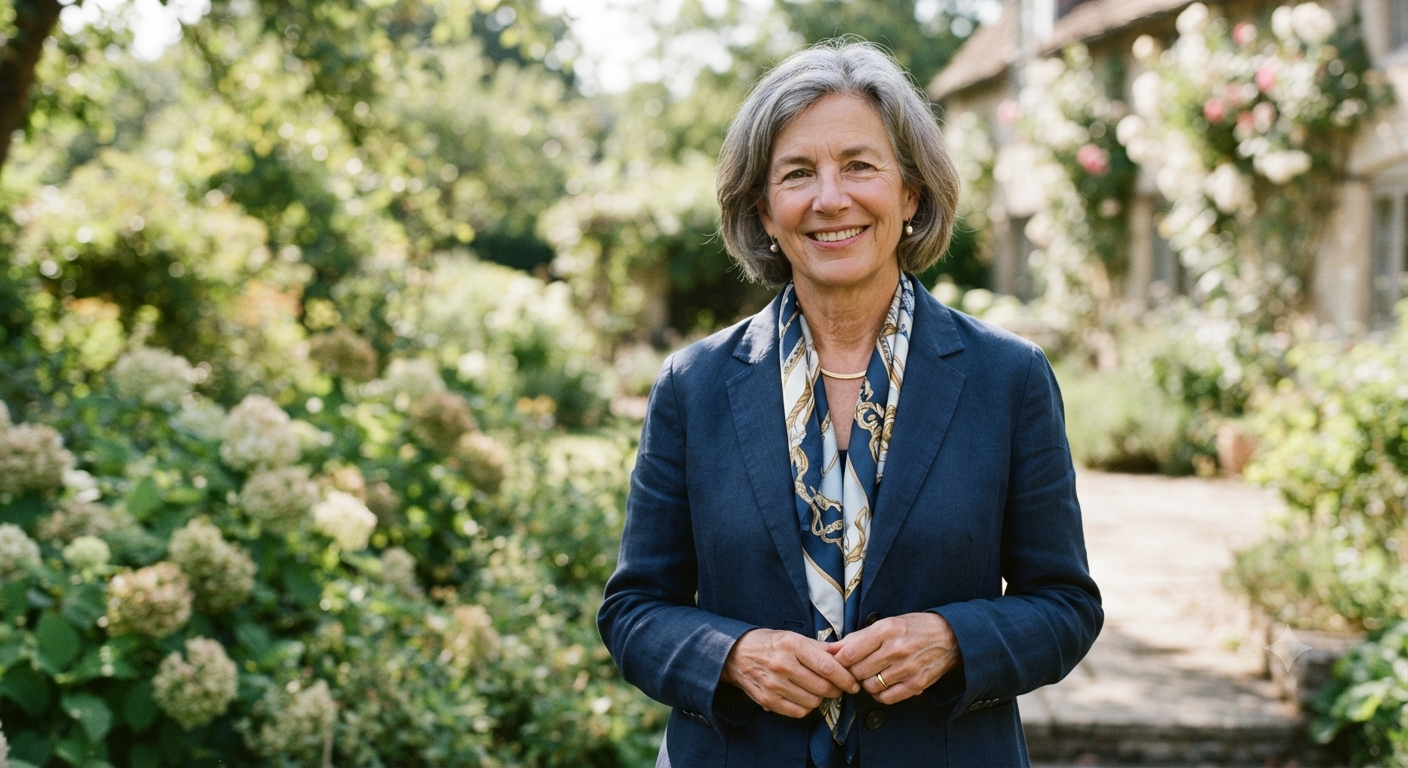
Jill Curtis Weber is best known publicly as the widow of Hollywood actor Tony Curtis, but reducing her story to a famous marriage misses the work that has defined much of her adult life. She is an experienced horsewoman, an animal-rescue advocate, a small-business operator in Deadwood, South Dakota, and a continuing participant in projects connected with Tony Curtis’ cultural legacy.
Interest in her life often produces a confusing mix of accurate reporting, copied celebrity profiles, disputed financial claims, and unsupported assumptions. This article separates what credible publications and first-party sources confirm from details that should be treated cautiously.
Who Is Jill Curtis Weber?
Jill Curtis Weber was formerly known as Jill Vandenberg Curtis or Jill VandenBerg Curtis. She entered wider public view through her relationship with Tony Curtis, the American actor celebrated for films including Some Like It Hot, Sweet Smell of Success, and The Defiant Ones.
Long before her current surname became searchable, she was described in established profiles as an accomplished horsewoman. A 2002 New Yorker profile reported that she grew up in San Diego and was deeply involved with horses, offering a more grounded picture than the generic “celebrity spouse” label repeated across entertainment websites.
Her public identity can be understood through four connected roles:
- Tony Curtis’ final wife and later widow
- Co-founder of Shiloh Horse Rescue
- Subject and participant in an animal-welfare documentary
- Operator of a Western-themed family business in Deadwood
These roles overlap, but they are not interchangeable. The marriage created public visibility; horse rescue gave that visibility a long-term purpose.
Jill Curtis Weber and Tony Curtis: How Their Relationship Became Public
Reports place Jill and Tony together publicly by the mid-1990s. The Los Angeles Times mentioned Jill Vanden Berg as Curtis’ girlfriend in a 1995 profile, while later coverage confirms that the couple married in Las Vegas in 1998.
The age difference attracted media attention, as it frequently does in celebrity reporting. Yet contemporary profiles also portrayed the pair as active companions who shared a home, traveled together, attended public events, cared for animals, and collaborated on charitable projects.
Tony Curtis had been married several times before. Jill became his sixth and final wife and remained married to him until his death in Nevada on September 29, 2010, at age 85.
Why Their Marriage Was More Than a Hollywood Footnote
For Jill Curtis Weber, the relationship was not limited to premieres and entertainment coverage. She became involved in Curtis’ later creative life, including appearances related to his artwork, film history, and humanitarian interests.
Tony, in turn, became publicly associated with Jill’s commitment to rescuing horses. That partnership eventually developed into a sanctuary, fundraising activity, media appearances, and a feature-length documentary.
The couple’s shared animal-welfare work is the most substantial public project connected with their marriage. It is also the area in which Jill built an identity that continued after Tony’s death.
The Founding of Shiloh Horse Rescue
Shiloh Horse Rescue was established in Nevada in the early 2000s. Its purpose was to save unwanted, neglected, abused, and at-risk horses, including animals vulnerable to entering the slaughter pipeline.
The organization’s current website identifies the rescue as an ongoing family-supported effort. It also explains that sales from The Lucky Horse Co. help fund the rescue and care of its animals, showing how the charity’s model evolved after its Nevada years.
Jill Curtis Weber brought practical equestrian knowledge to the project. Tony brought recognition, fundraising reach, artwork, and public attention. That division of strengths helped the rescue receive coverage beyond the usual local animal-welfare audience.
What Made the Rescue Work Distinctive?
The project did more than place the couple’s names on a charitable cause. Contemporary reporting described Jill as participating directly in ranch maintenance and daily animal care, rather than functioning only as a spokesperson.
Its public-facing work included:
- Taking in horses considered unwanted or endangered
- Providing food, shelter, veterinary attention, and rehabilitation
- Seeking suitable adoptive or permanent homes
- Raising awareness about horse slaughter and neglect
- Using merchandise, events, donations, and publicity to support care costs
This operational focus matters. Rescue work is expensive, repetitive, physically demanding, and difficult to sustain through publicity alone.
The Jill & Tony Curtis Story Documentary
The couple’s animal-welfare work became the subject of the 2008 feature documentary The Jill & Tony Curtis Story, directed by Ian Ayres. CBS News reported that the film followed them at home, in Tony’s Nevada art studio, at public events, and during visits connected with the issue of animal slaughter.
The documentary premiered at the Montreal World Film Festival in August 2008. Rather than functioning as a standard retrospective about an aging movie star, it centered heavily on the couple’s attempt to save horses and expose the conditions threatening them.
For readers researching Jill Curtis Weber, the film is one of the most valuable sources because it documents her involvement while Tony was alive. It shows that her association with horse rescue was not constructed later as part of a revised public image.
Why the Documentary Still Matters
The film connects three elements that are often discussed separately: Tony Curtis’ late-life creativity, Jill’s equestrian background, and organized animal advocacy. It also preserves their working dynamic beyond still photographs from premieres.
That gives the documentary historical value. It records a less familiar chapter of Tony Curtis’ life while offering direct context for Jill’s continued rescue work after becoming a widow.
Tony Curtis’ Death and Jill’s Role as His Widow
Tony Curtis died in 2010, ending a marriage that had lasted approximately twelve years. Jill spoke at his public funeral in Las Vegas, where she participated in a farewell attended by relatives, friends, admirers, and entertainment-industry figures.
Following his death, Jill continued to appear in connection with screenings, tributes, and projects concerning his work. Coverage of a 2012 Los Angeles Jewish Film Festival event, for example, identified her as a participant in a discussion accompanying a Tony Curtis documentary screening.
This period also brought intense attention to Curtis’ estate. It remains the most controversial part of Jill’s public story and the area most likely to be distorted by low-quality biography sites.
The Tony Curtis Estate Controversy: What Is Actually Known?
Tony Curtis’ estate plan reportedly excluded his children, and members of the family publicly challenged the circumstances surrounding the will. Forbes covered claims that Curtis had been subjected to undue influence, while estate-law commentary has continued to use the case as an example of conflict in blended families.
Jill Curtis Weber was the principal beneficiary associated with the estate, which fueled criticism after Tony’s death. An auction of personal belongings added further controversy because some family members said they had not been consulted or given the opportunity to retain items with sentimental value.
A responsible account must distinguish three things:
- The exclusion of Curtis’ children from the will was widely reported.
- Family members raised allegations and objections.
- An allegation is not the same as a judicial finding of wrongdoing.
Many online profiles present disputed claims as settled fact. That is not good biography, and it does not meet E-E-A-T standards.
Was Tony Curtis’ Estate Worth $40 Million or $60 Million?
Published estimates vary widely, often ranging from roughly $40 million to $60 million. These figures are usually repeated without access to complete probate, trust, debt, tax, appraisal, and asset-sale records.
Net-worth estimates should therefore be treated as approximate media claims, not audited facts. The same caution applies to websites that assign Jill an exact personal fortune based solely on Tony’s estimated wealth.
Jill Curtis Weber’s Marriage to Todd Weber
After Tony’s death, Jill later married Todd Weber. A 2024 profile by journalist Nick Thomas reported that they met at a country-and-western club in Las Vegas, married about six months later, and eventually moved to Deadwood, South Dakota.
This new chapter brought a different type of public life. Rather than remaining centered in Hollywood or Las Vegas celebrity circles, the couple built a presence connected with Western history, handmade merchandise, horses, and tourism.
Jill’s current surname reflects that marriage. It also explains why searches using “Jill Vandenberg Curtis” and “Jill Curtis Weber” lead to the same person.
Life in Deadwood, South Dakota
Deadwood is closely associated with the history and mythology of the American West. For someone whose life revolves around horses, handmade Western objects, and frontier culture, the location is more than a quiet retirement destination.
Jill Curtis Weber and Todd became associated with The Lucky Horse Co., a family-run shop selling Western-themed products, decorative horseshoes, gifts, and handmade items. The official Shiloh website states that the business is operated by Jill, Todd, her mother Sally, and her sister Sarah.
The business model connects commerce with rescue funding. Purchases help support the animals, allowing customers to contribute through ordinary retail activity rather than donations alone.
What Is The Lucky Horse Co.?
The Lucky Horse Co. operates in historic Deadwood and presents itself as a handmade American business. Its products have included decorative horseshoes and small Western-inspired souvenirs.
A local business page states that sales help support horses at Shiloh Rescue Ranch. This gives the shop a clear social-enterprise function: commercial activity helps subsidize animal care.
The arrangement also reveals how Jill adapted after selling the former Nevada property. The rescue mission continued, but the structure, location, and sources of support changed.
Her Continuing Connection to Tony Curtis’ Legacy
Although Jill’s daily life moved away from Hollywood, she has not completely withdrawn from Tony Curtis-related public activity. The Tony Curtis International Film Festival has identified her as an honorary guest and an honorary jury leader.
The festival, held in Mátészalka, Hungary, emphasizes Curtis’ Hungarian roots and international film legacy. Its published information also listed Jill as the sponsor of a student-film scholarship, extending her involvement from remembrance into practical support for emerging filmmakers.
This role gives Jill Curtis Weber a bridge between two phases of her life. Deadwood represents her present business and rescue work; the festival preserves a connection to Tony’s cinematic heritage.
Relationship With Jamie Lee Curtis and Tony Curtis’ Children
Readers frequently search for Jill’s relationship with Jamie Lee Curtis, but reliable public information is limited. Jill is Jamie Lee’s former stepmother through Tony, yet the unusually small age gap and the estate dispute have encouraged gossip that often exceeds what credible sources establish.
It is safer to say that Tony Curtis’ family relationships were complicated before and after his death. Public objections to the estate plan are documented, but private feelings, present-day contact, reconciliation, or estrangement should not be stated as fact without direct confirmation.
The same rule applies to claims that Jamie Lee either fully supported or openly opposed Jill in every dispute. Family relationships can evolve, and isolated quotations do not necessarily describe the current situation.
Common Myths and Misleading Claims
Search results about Jill Curtis Weber frequently contain copied paragraphs, inconsistent dates, and inflated financial figures. Readers should be cautious when a page provides highly precise personal details without explaining where they came from.
Common problems include:
- Calling her Tony Curtis’ “fifth wife” when established accounts identify her as his sixth
- Presenting estimated estate values as verified cash inheritance
- Claiming a specific current net worth without financial records
- Treating allegations about the will as proven misconduct
- Assuming she abandoned animal rescue after leaving Nevada
- Inventing details about her relationship with Tony’s children
- Confusing The Lucky Horse Co. with an unrelated national brand
High-quality biography writing requires restraint. When sources disagree, the honest answer is to explain the disagreement rather than choose the most dramatic version.
Why Jill Curtis Weber Remains Publicly Relevant
Her story intersects with several subjects that continue to attract readers: classic Hollywood, age-gap marriages, celebrity estates, animal rescue, widowhood, remarriage, reinvention, and social enterprise.
Yet the strongest reason for continued interest is transformation. She moved from a public marriage with a major film star to hands-on rescue work, then rebuilt her life around a small Western business while maintaining selected connections to Tony’s legacy.
That path is more nuanced than the scandal-focused version found on many celebrity sites. It includes fame, grief, controversy, labor, entrepreneurship, and long-term commitment to animals.
Jill Curtis Weber Quick Facts
| Topic | Verified or Carefully Reported Information |
|---|---|
| Earlier name | Jill Vandenberg Curtis / Jill VandenBerg Curtis |
| Known for | Marriage to Tony Curtis, horse rescue and documentary work |
| Marriage to Tony Curtis | Married in 1998; remained together until his death in 2010 |
| Animal organization | Co-founded Shiloh Horse Rescue |
| Documentary | The Jill & Tony Curtis Story (2008) |
| Current husband | Todd Weber |
| Current public base | Deadwood, South Dakota |
| Business | The Lucky Horse Co. |
| Ongoing legacy role | Participation in Tony Curtis film-legacy events |
The summary above is supported by contemporary reporting, the official rescue website, CBS coverage of the documentary, and the Tony Curtis International Film Festival’s published information.
Frequently Asked Questions
Who is Jill Curtis Weber?
Jill Curtis Weber is an American horsewoman, animal-rescue advocate, entrepreneur, and the widow of actor Tony Curtis. Previously known as Jill Vandenberg Curtis, she co-founded Shiloh Horse Rescue, appeared in a 2008 documentary about the rescue mission, and later established a family-run Western merchandise business in Deadwood.
Is Jill Curtis Weber still involved with horse rescue?
Yes. The official Shiloh Horse Rescue website presents the rescue as active and explains that sales from The Lucky Horse Co. help fund animal care. The location and operating model changed after the Nevada ranch years, but the rescue mission remained part of Jill’s public work.
Who is Jill Curtis Weber married to now?
She is married to Todd Weber. Published reporting states that the pair met in Las Vegas, married after a relatively brief courtship, and later settled in Deadwood, where they work together in a Western-themed family business.
Did Jill Curtis Weber inherit Tony Curtis’ entire estate?
Reports widely identify Jill as the main beneficiary after Tony Curtis excluded his children from his estate plan. However, exact values differ by source, and online claims often fail to distinguish gross asset estimates from the amount remaining after debts, taxes, expenses, trusts, and sales.
What happened between Jill Curtis Weber and Jamie Lee Curtis?
Tony Curtis’ estate created documented tension involving members of his family, but reliable sources do not provide a complete, current account of Jill and Jamie Lee Curtis’ private relationship. Claims of permanent hostility, close friendship, or later reconciliation should be treated cautiously unless either woman confirms them directly.
Conclusion: Look Beyond the Celebrity-Marriage Headline
The most accurate way to understand Jill Curtis Weber is to examine the full record: her equestrian background, twelve-year marriage to Tony Curtis, work at Shiloh Horse Rescue, participation in an animal-welfare documentary, transition to Deadwood, family business, and selective stewardship of Tony’s legacy.
Readers should resist biography pages that substitute speculation for evidence. For the clearest picture, consult the official rescue website, established interviews, contemporary news coverage, and documented festival material—then treat estate values and private family claims as uncertain unless supported by primary records.












Leave a Reply