
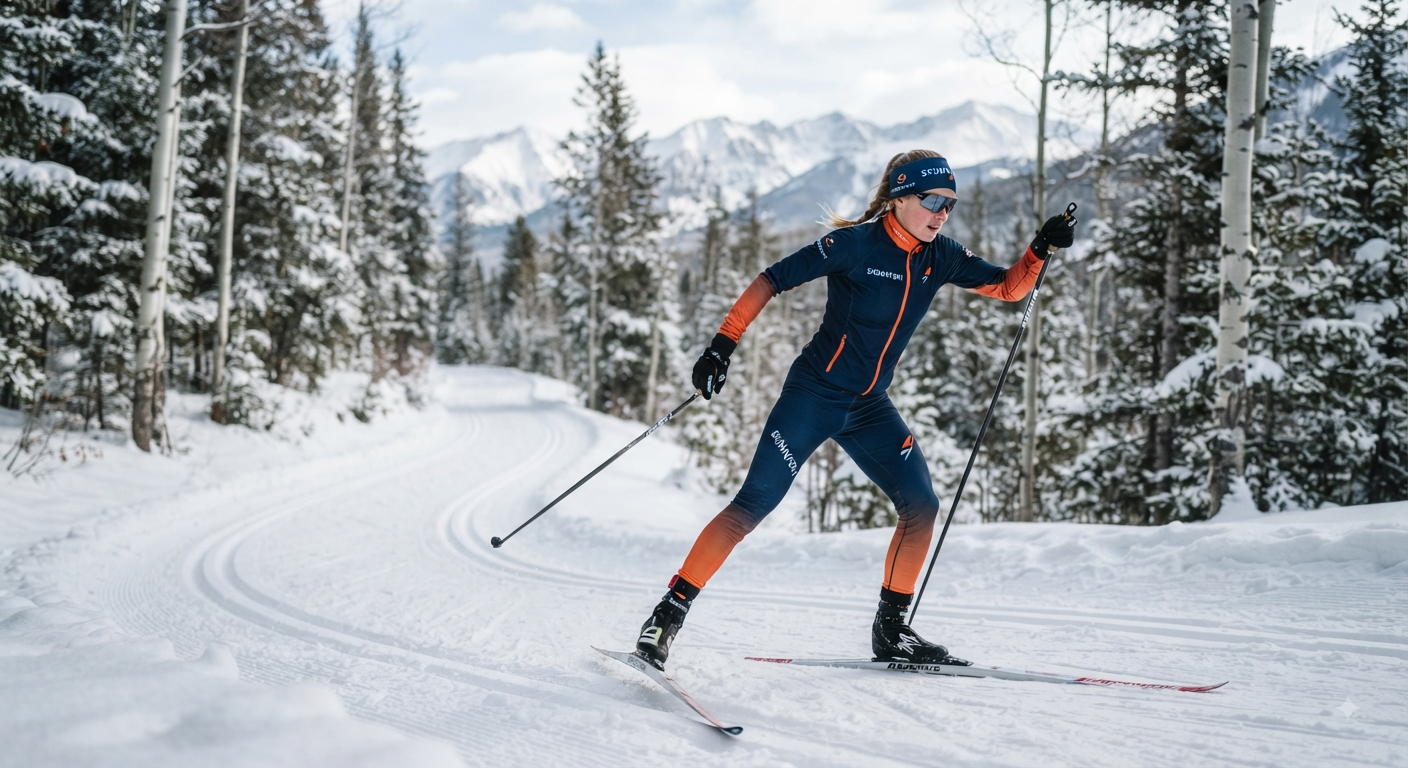
Skinnyski is one of the most useful online resources for cross-country skiers who want something more practical than a generic weather forecast. Instead of simply telling you that snow fell somewhere in Minnesota or Wisconsin, the platform brings together firsthand trail reports, grooming information, race calendars, results, Nordic skiing news, training resources, gear information, and regional trail listings.
Its focus is especially strong across the Upper Midwest, where ski conditions can change dramatically within hours. A trail that was excellent after morning grooming may become icy after a warm afternoon, while another trail 40 miles away could still have fresh snow and firm classic tracks.
That is where the site becomes valuable.
The official platform describes its coverage as extending across cross-country skiing, fat biking, and rollerskiing, with trail information, reports, and race listings forming the core of the experience.
For recreational skiers, racers, coaches, parents, and Nordic clubs, it functions less like a traditional sports publication and more like a continuously updated regional information hub.
What Is Skinnyski?
At its core, Skinnyski is a website dedicated to Nordic and other human-powered endurance sports, with a particularly deep connection to cross-country skiing in the Upper Midwest.
Its own description emphasizes local news, current trail conditions, race coverage, training opportunities, equipment information, stores, and lodging. That broad scope is important because Nordic skiing involves far more decision-making than simply choosing a trail and showing up.
Snow depth matters. So does grooming.
Temperature swings, recent snowfall, classic-track quality, skate-deck firmness, debris, ice, artificial snow, and even the time of day can completely change the skiing experience.
The platform helps bring many of those signals together.
External organizations also point skiers toward it. Minnesota’s Department of Natural Resources includes the site among its cross-country skiing resources, while the American Birkebeiner’s ski-club resources reference its firsthand skier reports.
That tells you something important: this is not simply another ski blog producing evergreen articles. It has become part of the information infrastructure surrounding Midwest Nordic skiing.
Why Skinnyski Trail Reports Are So Useful
The strongest feature of Skinnyski is arguably its trail-reporting ecosystem.
Weather applications can tell you that three inches of snow fell overnight. They cannot reliably tell you whether a groomer has packed it, whether classic tracks have been reset, whether the skate deck is soft, or whether exposed dirt is hiding around a particular corner.
Firsthand reports can.
A typical trail page may include information about trail length, whether trails support classic skiing, skate skiing, or both, and facilities or characteristics such as lighting and snowmaking. Reports can then add observations from groomers and skiers who were actually on the trail.
That combination is much more actionable than snowfall totals alone.
Understanding Firsthand Reports and Grooming Updates
Not every report means the same thing.
A grooming report usually tells you what work has been completed on a trail system. A groomer might report that skate lanes were renovated, classic tracks were reset, new snow was packed, or only part of a network was groomed.
A firsthand skier report adds a different layer.
These observations can describe whether the snow feels hard, loose, icy, fast, dirty, rutted, or freshly groomed. On one Snowflake Nordic Ski Center page, for example, reports distinguish between skate and classic conditions and discuss firmness, debris, track quality, recent grooming, and which skis users considered appropriate.
This is genuine information gain for someone deciding whether a one-hour drive is worthwhile.
What Do “Good Skis” and “B Skis” Mean?
Longtime Nordic skiers often maintain more than one pair of skis.
Your best race-quality or carefully structured skis may be reserved for clean, well-covered snow. Older equipment can be used when coverage is thin, sticks are showing, dirt is mixed into the snow, or rocks could damage the ski base.
That is the practical idea behind report language such as “Good skis” and “B skis.”
When someone recommends B skis, it does not necessarily mean the skiing is bad. The trail may still be enjoyable, but the skier has noticed conditions that could make using an expensive pair less appealing.
That subtle distinction is exactly the kind of knowledge a normal weather app cannot provide.
How to Use Skinnyski Before Going Cross-Country Skiing
Checking Skinnyski becomes much more effective when you look at several pieces of information together instead of reading only the newest comment.
Start with freshness. A report from this morning carries more weight than one posted three days ago, especially after snowfall, rain, strong wind, or a freeze-thaw cycle.
Then compare grooming information with firsthand observations.
A groomer may confirm that a trail was prepared at 6 a.m., while someone skiing at 11 a.m. can tell you how that grooming actually performed. Those two perspectives answer different questions.
For the most reliable pre-ski decision, pay attention to:
- Report timestamp: prioritize observations made after the latest meaningful weather change.
- Grooming status: determine whether skate lanes, classic tracks, or both were recently maintained.
- Ski recommendation: watch for references to good skis, B skis, rock skis, thin coverage, or exposed debris.
- Technique: conditions for classic skiing can differ significantly from skating on the same trail.
- Temperature trend: warming and refreezing can dramatically change snow firmness.
- Trail-specific notes: one loop may be excellent while another remains icy, ungroomed, or thin.
- Official restrictions: confirm closures, passes, operating hours, and safety rules with the trail manager when necessary.
That last point matters.
Community reporting is powerful because it is immediate and specific, but a skier’s observation is still a time-stamped snapshot. It should not replace official information about closures, access restrictions, fees, hazards, or operating policies.
Finding Nordic Ski Trails With Skinnyski
Another major strength is the trail database.
The site’s listings extend well beyond one metropolitan area and include large numbers of Nordic skiing locations in Minnesota, Wisconsin, Michigan, Iowa, Illinois, South Dakota, Ontario, and other locations. Individual listings can show trail distance and features such as lighted skiing or snowmaking where applicable.
This makes Skinnyski useful for both local skiing and trip planning.
Someone in Minneapolis might use it to compare nearby trail reports before an evening skate. A skier planning a weekend farther north can investigate trail systems around Duluth, Grand Marais, Ironwood, Marquette, Cable, or other Nordic destinations before booking accommodation.
That changes the search process.
Instead of asking only, “Where can I cross-country ski?” you can ask the much better question: “Where can I find the best skiing under the conditions that exist right now?”
Trail Details That Matter More Than Total Distance
A 40-kilometer trail network is not automatically better than a 10-kilometer one.
Beginners may care more about grooming consistency and easy terrain. Experienced skate skiers might prioritize wide, firm skating lanes. Classic skiers may want recently set tracks, while someone training after work might specifically need lighted trails.
Snowmaking can also be critical during marginal winters.
The site’s trail database marks certain systems with features such as lighting and snowmaking, allowing skiers to narrow their options based on more than geography.
That is especially useful during unstable weather, when natural-snow trails and snowmaking venues may offer completely different experiences.
Skinnyski Racing Calendar and Nordic Race Results
Trail conditions are only one side of the platform.
Skinnyski also maintains extensive resources for Nordic racing, including calendars and race results.
The racing calendar covers categories such as citizen, high-school, junior, collegiate, and rollerski competitions. That makes it relevant to a much wider audience than elite competitors alone.
A recreational skier considering a first 10K can use the calendar to discover events. A high-school family can follow competition schedules, while experienced skiers can track longer-distance races throughout the region.
Historical results add another layer.
The 2025-2026 results archive, for example, includes events ranging from local races to the Noquemanon Ski Marathon, City of Lakes Loppet, Vasaloppet USA, Minnesota Finlandia, Junior Nationals, and U.S. Nationals-related competition coverage.
Race pages may also connect users with photos and event coverage.
For serious Nordic communities, archives like these have value beyond determining who won. They preserve race history, athlete progression, event participation, and regional skiing culture over time.
More Than Winter: Rollerskiing and Off-Season Training
The name may immediately evoke snow, but the platform does not simply disappear when winter ends.
Current 2026 coverage shows continuing attention to rollerski racing, athlete training, grants, summer events, and broader Nordic news during warmer months.
That makes sense.
Competitive cross-country skiers train year-round. Running, cycling, strength work, bounding, and especially rollerskiing are common components of off-season preparation.
A September rollerski marathon may therefore matter to the same athlete who is searching for a February ski race.
By maintaining summer content, Skinnyski functions more like a year-round endurance-sport community resource than a seasonal snow-report page.
Gear, Training, Lodging, and Community Resources
The site’s navigation reveals how broad that ecosystem has become.
Beyond trails and racing, sections cover areas such as gear, training, stores, manufacturers, classified listings, lodging, dining, jobs, clubs, teams, organizations, and regional notices.
Not everyone will need every section.
Still, having these resources connected is convenient. Someone traveling for a ski marathon could investigate trails, find lodging, check race information, review current conditions, and search related regional resources without starting from zero on several unrelated websites.
The classifieds component also has a natural role in Nordic skiing.
Equipment fit is unusually important in cross-country skiing, especially with classic skis, where skier weight and ski flex directly affect grip and glide. Used equipment can be an affordable entry point, but buyers still need to understand ski sizing, binding compatibility, boot systems, and intended technique before purchasing.
Why Community Reports Can Beat a Standard Snow Forecast
A forecast describes weather.
A trail report describes skiability.
Those are related, but they are not interchangeable.
Imagine a forecast showing 28°F and two inches of fresh snow. That sounds promising. Yet the trail underneath could have been bare before the storm, leaving rocks and grass just below the surface.
Now imagine the opposite.
Only half an inch of new snow fell, but the venue already had a deep, groomed base. Conditions might be fantastic.
This is why Skinnyski provides information that weather data alone cannot answer. Real skiing quality depends on the interaction between snowfall, existing base depth, grooming, temperature, traffic, terrain, snowmaking, wind, and time.
Research into cross-country ski friction also illustrates how sensitive glide can be to snow properties, ski-surface characteristics, temperature, and the ski-snow interaction.
Experienced skiers instinctively understand this complexity. Community reports translate it into practical language.
How Reliable Is Skinnyski?
The right answer is: reliable for the right type of question.
If you want to know what a skier experienced on a particular loop two hours ago, a detailed firsthand report can be extremely valuable. If you need definitive confirmation that a park will remain open tonight, however, the trail operator or managing authority should take priority.
This distinction strengthens rather than weakens the usefulness of Skinnyski.
User-generated observations and official trail information serve different purposes. The best decision comes from combining them with current weather conditions and your own skill level.
Third-party Nordic organizations routinely reference the platform. The American Birkebeiner’s resources point visitors toward its firsthand trail reports, while other ski clubs and public organizations link to it for trail-condition information.
New England Nordic Ski Association also described the outlet as a grassroots Midwest Nordic skiing news resource when crediting its photography and video coverage of the 2026 Junior Nationals.
That community integration is one of its strongest trust signals.
Who Should Use Skinnyski?
Skinnyski is particularly valuable for people whose plans depend on current Nordic skiing conditions.
A beginner can discover trails and learn how experienced skiers describe snow. Recreational users can avoid wasting a drive when conditions have deteriorated, while racers can monitor events, results, and course-related information.
Coaches and families can follow regional competition.
Traveling skiers can research destination areas. Rollerskiers can stay connected during summer. Trail managers and active community members can contribute observations that help everyone else make better decisions.
Even people who ski only several times each winter can benefit.
You do not need to understand every technical term immediately. After reading reports for a few weeks, phrases such as fresh corduroy, reset classic tracks, transformed snow, icy deck, thin base, B skis, and freeze-thaw conditions start to become genuinely useful.
A Smarter Way to Read Trail Reports
The most common mistake is treating one report as absolute truth.
Instead, look for a pattern.
If a groomer reports fresh work at 7 a.m. and two skiers describe excellent conditions at 9 and 10:30, confidence is relatively high. If yesterday’s report says the skiing was perfect but temperatures reached 45°F afterward and dropped below freezing overnight, assume the surface may have changed substantially.
Location matters too.
Shaded forest trails can preserve cold snow while exposed sections soften. North-facing terrain may behave differently from sunny open fields, and heavy skier traffic can alter a freshly groomed surface quickly.
The best users of Skinnyski therefore read reports contextually.
They ask when the observation was made, what happened with the weather afterward, what technique the person used, what portion of the trail they skied, and whether fresh grooming occurred.
That is much more useful than simply searching for the word “good.”
Skinnyski and the Culture of Midwest Nordic Skiing
There is another reason the platform matters.
Cross-country skiing is heavily community-driven. Volunteers groom many local networks, clubs organize races, photographers document events, coaches develop young athletes, and individual skiers share observations that help strangers decide where to ski.
Skinnyski connects many of those pieces.
Its value is not based on having the flashiest interface or replacing every official trail website. Its advantage comes from concentrating regional Nordic information in one place and maintaining archives that reveal how deeply the sport is embedded throughout the Upper Midwest.
That explains why references to the site appear across ski clubs, event organizations, public trail resources, and Nordic communities.
For a relatively specialized sport, that kind of shared information network matters.
Frequently Asked Questions About Skinnyski
Is Skinnyski only for Minnesota?
No. Although Minnesota is a major part of its coverage, the trail directory includes locations across Wisconsin, Michigan, Iowa, Illinois, South Dakota, Ontario, and additional regions. The site’s strongest identity is best described as Upper Midwest Nordic skiing rather than Minnesota-only coverage.
Does Skinnyski provide real-time trail conditions?
It provides recent grooming and firsthand reports, but “real-time” should be interpreted carefully. A report reflects conditions when its author observed them, and weather or traffic may change the trail afterward, so always check the timestamp and subsequent weather before making a long trip.
Can beginners use the site?
Absolutely. Beginners can use Skinnyski to discover nearby cross-country ski trails, identify locations offering classic or skate skiing, check current conditions, and learn common snow terminology. Trail reports become particularly useful once you understand basic phrases such as groomed, tracked, skate deck, B skis, icy, soft, and thin coverage.
Does the website cover Nordic ski races?
Yes. Its racing section includes a calendar covering citizen, high-school, junior, collegiate, and rollerski events, along with extensive race-result archives. This makes it useful for recreational racers as well as competitive Nordic athletes and families.
Is Skinnyski useful during summer?
Yes. The platform continues covering Nordic-related activities outside the snow season, especially rollerskiing, training news, races, and athlete developments. Its 2026 summer coverage included rollerski events and other Nordic community news, demonstrating that the site operates beyond the traditional winter season.
Final Thoughts: Use Skinnyski to Make Better Skiing Decisions
Cross-country skiing rewards preparation.
Fresh snow does not guarantee good trails. Cold temperatures do not guarantee good glide. Yesterday’s perfect conditions may mean very little after a warm afternoon and an overnight freeze.
That is why Skinnyski remains such a practical resource.
It combines trail listings, firsthand snow observations, grooming reports, race calendars, results, regional news, training information, and broader Nordic community resources in a way that helps skiers move from guessing to making informed decisions. Its usefulness is especially clear in the Upper Midwest, where weather variability and an enormous network of local trail systems make current information essential.
Before your next ski, check the latest trail report, compare its timestamp with recent weather, review grooming details, and confirm any official access restrictions. Then choose the trail—and the skis—that actually match the conditions.
That small habit can be the difference between arriving to ice and dirt or finding some of the best skiing of the season.












Leave a Reply