
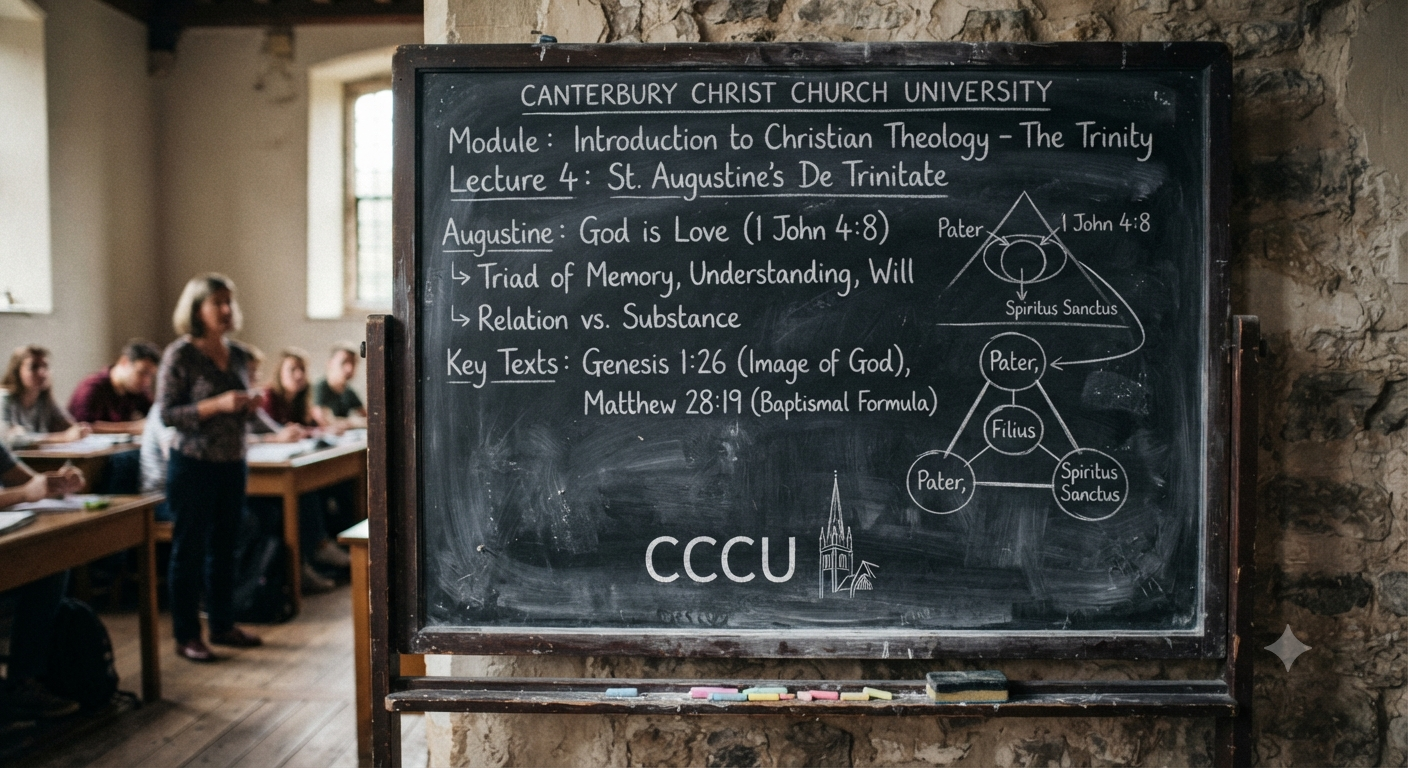
If you are searching for Canterbury Christchurch Blackboard, you are most likely trying to access course materials, find an assignment, submit coursework, check feedback, or solve a login problem. The platform you are looking for is the Blackboard Virtual Learning Environment used by Canterbury Christ Church University (CCCU).
One important detail is worth clearing up immediately. The university’s official name is Canterbury Christ Church University, with “Christ Church” written as two words. Students may still search Google for terms such as “Canterbury Christchurch Blackboard,” which is why this guide uses that common search phrase while referring to the university by its correct name.
Blackboard is a major part of CCCU’s digital learning environment. The university describes it as its Virtual Learning Environment (VLE), giving students access to learning materials, resources, services, and module-related information.
This guide explains how the system works, where to log in, how to navigate modules, submit assignments, view marks, and what to do when Blackboard is not behaving as expected.
Canterbury Christchurch Blackboard Quick Facts
| Feature | What Students Should Know |
|---|---|
| Official university | Canterbury Christ Church University |
| Platform | Blackboard |
| Current learning environment | Blackboard Ultra |
| Main purpose | Course content, learning activities, assessments and resources |
| Student access | Via CCCU student services/My CCCU |
| Authentication | University computing account and authentication |
| Coursework submission | Commonly through Turnitin via Blackboard |
| Marks | Available through Blackboard module/course areas where released |
| Official records | MyRecord, rather than Blackboard |
| Timetable | MyTimetable |
| Technical/support queries | CCCU Student Zone/Self-Service Portal |
CCCU upgraded its learning environment to Blackboard Ultra, after moving Blackboard users, modules, and integrations into a cloud-based Software as a Service environment during its Blackboard migration project. Current university guidance continues to provide student instructions specifically for Blackboard Ultra.
What Is Canterbury Christchurch Blackboard?
Canterbury Christchurch Blackboard is the search term students commonly use when looking for CCCU’s Blackboard learning platform. Blackboard serves as the university’s VLE and acts as a digital workspace connecting students with teaching content and module resources.
Rather than thinking of Blackboard as simply a place to download lecture slides, it is better to view it as one part of CCCU’s wider Learning Platform Suite. The university describes that suite as a collection of technologies designed to support learning, teaching, and assessment, with the VLE at its core.
Depending on the way a particular module has been designed, students may encounter:
- Module learning materials
- Lecture and study resources
- Assessment information
- Coursework submission areas
- Reading or revision materials
- Online learning activities
- Marks and feedback
- Links to other university learning tools
The exact Blackboard layout can differ between modules because academic teams organise their course areas around the needs of their subjects.
How to Access Canterbury Christchurch Blackboard
The safest way to access Canterbury Christchurch Blackboard is through the official CCCU student website rather than relying on an unfamiliar third-party login page.
The university’s My CCCU student hub lists Blackboard among its popular student tasks alongside MyRecord, email, MyTimetable, MyAttendance, LibrarySearch, and the Learning Skills Hub.
Step 1: Open the CCCU Student Website
Go to the official Canterbury Christ Church University student portal.
Look for Blackboard under the popular tasks or study resources. The university’s Blackboard page identifies the service as the VLE used for learning materials and resources.
Step 2: Select Blackboard
Choose the Blackboard option to continue to the university’s learning environment.
Using the official student portal is useful because it also places related services such as email, MyRecord and MyTimetable within easy reach.
Step 3: Sign In With Your CCCU Account
CCCU provides students with a university computing account for access to study resources and digital services.
The university states that Single Sign-On services, including email, Blackboard, Library services, the CCCU App Store, and Office 365 apps, use the student’s university account.
Step 4: Complete Authentication When Required
CCCU computing accounts are protected by a password and Microsoft Authenticator. Students normally establish their password, authentication method, and account recovery information when setting up their computing account.
If an authentication request appears, complete it rather than repeatedly refreshing Blackboard.
Understanding Your Canterbury Christchurch Blackboard Dashboard
Once inside Canterbury Christchurch Blackboard, the amount of information can initially feel overwhelming, particularly for first-year students.
A better strategy is to learn the handful of areas you will use regularly rather than clicking through every menu.
Start With Your Modules
Your Blackboard course or module areas contain subject-specific information uploaded or organised by your teaching team.
CCCU’s student handbook states that Blackboard is where students can find much of the learning material specific to their course. Tutors may provide module and assessment information, learning activities and other resources through the platform.
Get into the habit of checking each active module individually.
Do not assume that seeing one announcement or deadline on your Blackboard landing page means you have checked everything important.
Check Course Content Regularly
The course content area is where your lecturers can organise resources associated with a module. CCCU maintains dedicated Blackboard Ultra guidance specifically explaining how students access Blackboard course content.
Depending on your course, content may be organised by:
- Teaching week
- Topic
- Unit
- Assessment
- Workshop
- Lecture
- Seminar
- Learning outcome
This makes Blackboard particularly important during busy assessment periods because important instructions may sit inside the relevant module rather than on a general university webpage.
Canterbury Christchurch Blackboard and Assignments
For many students, assessment submission is the most important reason for accessing Canterbury Christchurch Blackboard.
CCCU provides dedicated guidance for Blackboard Assignments, while the university’s current academic guidance explains that students will normally submit many coursework assessments through Turnitin, accessed through Blackboard.
Read the Assessment Instructions First
Never upload a document simply because you see a submission button.
Check:
- Assessment title
- Required file format
- Word count
- Submission deadline
- Referencing requirements
- Assessment criteria
- Whether Turnitin or another submission method is required
- Any module-specific rules
CCCU states that assessment information may be supplied through the Course/Module Handbook and Blackboard module site, including descriptions of assessment activities, schedules, submission dates, and feedback information.
Submit Before the Deadline
Do not treat the displayed deadline as the time you should begin uploading.
Internet interruptions, browser problems, file corruption, incorrect document formats, or Turnitin upload delays can turn a last-minute submission into a late one.
Current CCCU academic guidance states that assessment deadlines are usually 2pm on the published due date, although students must check the instructions applying to their own assessment.
That last point matters. Your own module guidance is the authority for your specific assessment.
Download and Keep Your Turnitin Receipt
This is one of the most useful habits a CCCU student can develop.
The university specifically advises students to download the receipt confirming that a Turnitin submission was successful and keep submission receipts until the end of that level of study.
A sensible submission workflow is therefore:
- Upload the correct file.
- Confirm that the submission completes.
- Check the submitted document.
- Download the submission receipt.
- Save the receipt somewhere outside Blackboard.
- Keep the original submitted file unchanged.
Do not rely purely on remembering that you saw a confirmation screen.
What Happens With Late Blackboard Submissions?
Students using Canterbury Christchurch Blackboard should understand that Blackboard availability does not override university assessment regulations.
Current CCCU regulations state that late assessed coursework may generally be accepted for up to two working days, with a flat penalty of 10% of the available marks. Work submitted beyond that permitted period may receive zero, while some courses governed by Professional, Statutory and Regulatory Body requirements can operate different rules.
There are also processes for students affected by qualifying exceptional circumstances.
The practical lesson is simple: never assume Blackboard allowing an upload means the work is penalty-free.
Always check the published assessment rules.
How to Check Marks on Canterbury Christchurch Blackboard
Another major function of Canterbury Christchurch Blackboard is accessing marks and academic feedback after they have been made available.
CCCU’s Blackboard Ultra guidance explains that students can use the Marks area in Blackboard’s base navigation to see marks organised according to modules and course sites.
Do not focus exclusively on the number.
Feedback is often more useful than the mark itself because it can show:
- What you did well
- Where marks were lost
- Whether your argument was sufficiently developed
- Problems with structure or referencing
- Areas needing stronger evidence
- Skills to improve before the next assessment
CCCU says it aims to provide timely, useful feedback on summative assessments, with a target of 15 working days after submission, although certain assessments such as dissertations, extended projects, examinations, individual studies, and late work may take longer.
Blackboard vs MyRecord: Don’t Confuse Them
One of the most common mistakes students can make is treating every CCCU online service as if it contains the same information.
It does not.
Canterbury Christchurch Blackboard primarily supports learning and teaching. MyRecord, by contrast, is the university system for information held about you, your studies, applications, results, and important student-record processes.
MyRecord is used for functions such as:
- Registration and re-registration
- Student record information
- Course information
- Optional module selection where applicable
- Changes to study
- Status letters
- Interim transcripts
- Module and progression results
- Graduation-related processes
So if you cannot find something in Blackboard, first ask whether Blackboard is actually the correct system.
Blackboard vs MyTimetable
The same principle applies to your schedule.
CCCU uses MyTimetable to display a student’s personal timetable, including classes and relevant group activities. UniTimetables provides broader teaching timetable information for modules and courses.
Use Blackboard for learning content and module activity.
Use MyTimetable when you need your formal personalised teaching schedule.
Canterbury Christchurch Blackboard Login Not Working
If Canterbury Christchurch Blackboard refuses to load or sign you in, randomly changing passwords and repeatedly refreshing the page is rarely the best first response.
Work through the problem logically.
1. Check Your University Account
CCCU uses the university computing account across its digital services. If you cannot access other Single Sign-On services either, the problem may relate to your university credentials rather than Blackboard itself.
2. Check Microsoft Authenticator
If your password appears to work but authentication cannot be completed, check the Microsoft Authenticator setup associated with your CCCU computing account.
Your password and security information can be managed through the university-supported account management process.
3. Try a Supported, Updated Browser
Browser problems can affect Blackboard and connected tools.
CCCU publishes browser-support guidance because browser configuration can affect Blackboard and associated systems, including problems such as Turnitin becoming stuck during an upload.
Try:
- Updating your browser
- Closing and reopening it
- Clearing relevant cached data
- Trying another supported browser
- Disabling extensions that interfere with page scripts
- Checking your internet connection
Be particularly cautious about troubleshooting immediately before an assessment deadline.
4. Check Whether the Problem Is Module-Specific
Ask yourself:
Can I access Blackboard but not one module?
That is different from being unable to access Blackboard at all.
If the platform opens normally but a specific module or assessment area is missing, the problem may involve module enrolment, availability, or configuration rather than your password.
5. Use Official CCCU Support
If the issue remains unresolved, use university support rather than sharing credentials with an unofficial “Blackboard support” website.
CCCU directs students toward its Student Zone and Self-Service Portal, where students can search for answers and raise queries that are routed to the relevant university team.
Can You Use Canterbury Christchurch Blackboard on Mobile?
Students who prefer studying from a phone or tablet can also access Blackboard in a mobile-friendly form.
Blackboard’s current official student guidance says the Blackboard LMS App is available for iOS and Android and supports Ultra courses, although some advanced functions are still better handled through the full web version.
Mobile access can be useful for:
- Reading announcements
- Checking module updates
- Reviewing content
- Looking at upcoming work
- Quickly checking marks
- Accessing learning material away from a computer
For high-stakes tasks such as final coursework submission, however, using a computer and carefully confirming the submitted file and receipt is usually the safer workflow.
How to Use Canterbury Christchurch Blackboard More Effectively
Simply logging into Canterbury Christchurch Blackboard does not automatically mean you are managing your studies well.
A structured routine makes the platform far more useful.
Build a Weekly Blackboard Routine
At the beginning of each study week:
- Open every active module.
- Look for newly added material.
- Check assessment information.
- Note approaching deadlines.
- Download essential resources.
- Review feedback that has been released.
- Compare Blackboard information with your timetable and course handbook.
This takes far less time than discovering an important task immediately before it is due.
Never Depend on One Digital System
Blackboard, MyRecord, university email and MyTimetable perform different roles.
The CCCU student hub deliberately provides quick access to all of these services rather than replacing them with a single system.
A strong student workflow therefore includes checking:
Blackboard → University email → MyTimetable → MyRecord
when appropriate.
Treat Assessment Receipts as Evidence
If you remember only one practical tip from this guide, make it this one.
Keep submission receipts.
CCCU explicitly tells students to retain successful Turnitin submission receipts.
Create a folder for each academic year and store the submitted file plus its receipt together.
Canterbury Christchurch Blackboard and Academic Integrity
Blackboard is also connected with CCCU’s academic integrity processes because Turnitin is commonly accessed through Blackboard.
Turnitin is used as a text-similarity checking service intended to help students and tutors identify originality issues and guard against plagiarism and other academic misconduct.
A similarity score itself should not be treated as a simple “plagiarism percentage.” What matters is whether sources have been used, quoted, paraphrased, and referenced appropriately under your course requirements.
CCCU also publishes specific guidance on generative AI use. The university currently allows GenAI for certain study-support activities, while assessed use depends on the assessment’s permitted conditions and AI Assessment Scale.
Always follow the instructions provided for your individual module and assessment.
FAQ About Canterbury Christchurch Blackboard
1. What is Canterbury Christchurch Blackboard?
Canterbury Christchurch Blackboard refers to the Blackboard learning environment used by students at Canterbury Christ Church University. CCCU officially describes Blackboard as its Virtual Learning Environment, providing access to learning materials, resources and services supporting students’ studies.
It forms part of the university’s wider digital learning ecosystem rather than replacing services such as MyRecord or MyTimetable.
2. How do I log into Canterbury Christchurch Blackboard?
Access Blackboard through the official My CCCU student website and select Blackboard from the available student services.
Your CCCU computing account supports access to Blackboard and other Single Sign-On university services, with account security incorporating Microsoft authentication.
3. Why are my modules not appearing in Blackboard?
If Blackboard opens successfully but one module is missing, first verify that you are correctly registered and looking in the right course area.
Because student records and course processes are maintained through systems such as MyRecord while learning content appears in Blackboard, a missing module may require your Course Team or university support to check the underlying situation.
4. Can I submit assignments through Blackboard?
Yes. CCCU states that many coursework assessments are normally submitted using Turnitin, which is accessed through Blackboard, although some assessments may use another submission method specified by the Course Team.
After submitting through Turnitin, download and retain your successful submission receipt.
5. Where can I see my Blackboard marks?
CCCU’s Blackboard Ultra guidance states that marks can be viewed through the Marks link in Blackboard’s base navigation and are organised according to modules and courses.
For formal student-record information and progression-related results, remember that MyRecord performs a different function from Blackboard.
Final Takeaway
Canterbury Christchurch Blackboard is much more useful when you understand where it fits within Canterbury Christ Church University’s wider student systems. Use Blackboard for your learning materials, module resources, assessment information, submissions and available feedback; use MyTimetable for your personal teaching schedule and MyRecord for formal information about your student record.
Bookmark the official My CCCU student hub, check Blackboard routinely instead of only near deadlines, keep every Turnitin submission receipt, and contact the Student Zone through official CCCU channels when a technical or account issue cannot be resolved. Those simple habits make Blackboard easier to manage—and substantially reduce the chance of missing an important piece of coursework or university information.













Leave a Reply