
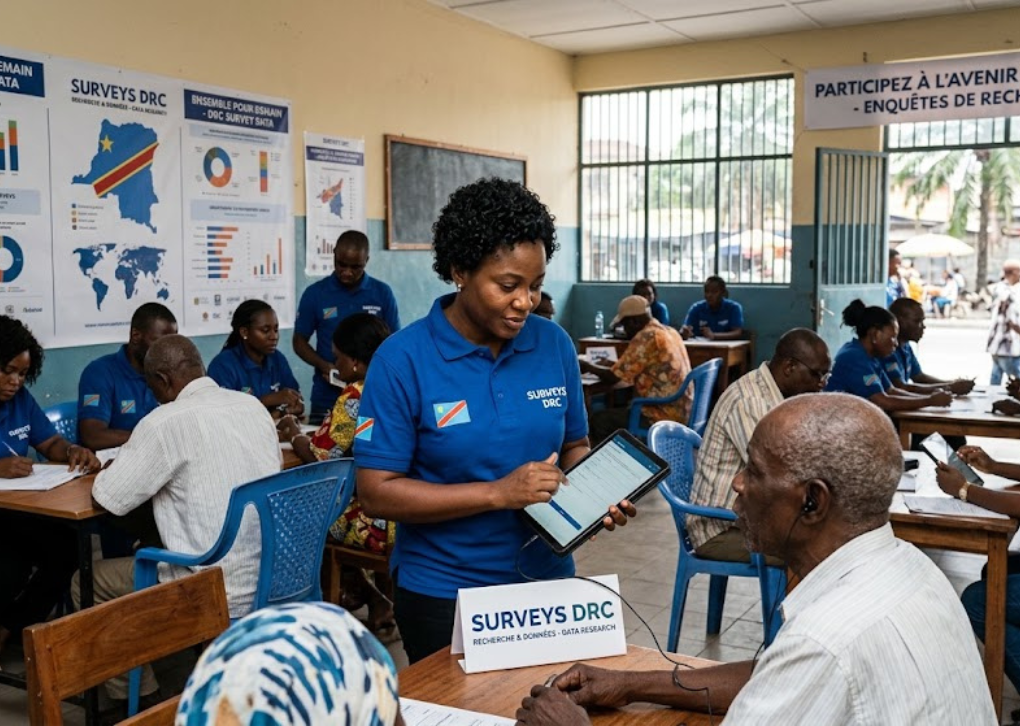
The term Surveysdrc com deocs appears to combine concepts related to survey documentation, digital records, research files, and online document resources. People searching for Surveysdrc com deocs are often looking for information connected with survey materials, document access, research databases, or ways digital records are organized and managed.
Understanding survey documents is important because modern organizations, researchers, businesses, and institutions depend heavily on structured information collection. A well-prepared survey document is more than a simple questionnaire. It represents a carefully designed system for gathering opinions, measuring trends, analyzing behavior, and supporting evidence-based decisions.
This guide explores how survey documents function, what digital documentation systems involve, how research records are managed, and what users should know when working with online survey resources.
What Is Surveysdrc com deocs?
Surveysdrc com deocs can be understood as a search phrase related to survey documents and digital content resources. While the exact meaning of the phrase may depend on the context where it appears, the main concepts involve:
- Survey documents
- Research records
- Digital archives
- Online documentation systems
- Data collection resources
Survey documents are files created to support the survey process. They may include questionnaires, consent forms, research guidelines, participant information sheets, data reports, and analysis summaries.
Organizations use these documents to maintain accuracy, transparency, and consistency throughout research activities.
A complete survey documentation system usually includes:
- Survey objectives
- Target audience information
- Questions and response formats
- Data collection methods
- Privacy statements
- Analysis procedures
- Final research findings
Understanding Survey Documents and Their Purpose
Why Are Survey Documents Important?
A survey without proper documentation can create unreliable results. Documentation provides a clear record of how information was collected and processed.
Professional survey documents help researchers:
- Maintain research quality
- Repeat studies accurately
- Verify collected information
- Protect participant privacy
- Analyze results effectively
For example, a customer satisfaction survey requires more than asking customers whether they like a product. Researchers need documentation explaining:
- Who participated
- How participants were selected
- When responses were collected
- How answers were measured
- How conclusions were developed
Types of Documents Found in Survey Systems
1. Survey Questionnaires
The questionnaire is the primary document used for collecting responses.
A professional questionnaire usually contains:
- Introduction message
- Participant instructions
- Multiple-choice questions
- Rating scales
- Open-ended questions
- Demographic sections
Question design directly affects data quality. Poorly written questions can create biased or inaccurate results.
2. Research Methodology Documents
Methodology documents explain how a survey was conducted.
They usually describe:
- Research approach
- Sampling method
- Data collection technique
- Statistical analysis process
- Limitations of the research
These documents are especially important in academic and professional studies.
3. Survey Reports and Analysis Documents
After collecting responses, researchers create reports that transform raw data into useful information.
A survey report may include:
- Executive summary
- Charts and graphs
- Statistical findings
- Key observations
- Recommendations
Businesses often use survey reports to improve customer experience, product development, and marketing strategies.
How Digital Survey Documentation Works
Modern survey systems have moved from physical paperwork to cloud-based platforms. Digital documentation allows faster access, better organization, and improved collaboration.
A digital survey documentation workflow typically includes:
- Planning the survey
- Creating digital forms
- Collecting responses online
- Storing survey data securely
- Analyzing results
- Creating reports
Digital platforms may use:
- Cloud storage
- Database systems
- Encryption technology
- Automated reporting tools
- Data visualization software
Benefits of Digital Survey Documents
Faster Data Management
Traditional paper surveys require manual entry and physical storage. Digital survey documents reduce administrative work by automatically recording responses.
This improves:
- Speed
- Accuracy
- Accessibility
- Collaboration
Better Data Security
Research information can contain sensitive details. Digital documentation systems often include:
- Password protection
- User permissions
- Encryption
- Backup systems
These features help prevent unauthorized access.
Improved Research Accuracy
Automated data collection reduces human errors during:
- Data entry
- Calculation
- Report generation
Researchers can focus more on interpreting findings rather than managing paperwork.
Surveysdrc com deocs and Research Data Management
Research organizations depend on structured documentation to maintain reliable information.
A strong research data management system includes:
Data Collection Records
These records explain:
- Source of information
- Collection dates
- Participant details
- Survey procedures
Data Processing Records
These documents describe:
- Cleaning methods
- Coding procedures
- Analysis techniques
Data Storage Records
They explain:
- Where information is stored
- Who can access it
- How long it is preserved
Proper documentation creates a complete research history.
Important Features of High-Quality Survey Documents
Clear Objectives
Every survey document should clearly explain its purpose.
A strong objective answers:
- What information is needed?
- Why is the survey being conducted?
- How will results be used?
Well-Designed Questions
Effective questions should be:
- Simple
- Neutral
- Specific
- Relevant
Avoid questions that influence respondents toward a particular answer.
For example:
Poor question:
“Don’t you agree our service is excellent?”
Better question:
“How would you rate our service quality?”
Privacy and Consent Information
Modern surveys must consider ethical requirements.
Professional survey documents often include:
- Privacy policies
- Data usage explanations
- Participant consent statements
- Confidentiality information
This builds trust between researchers and participants.
Common Uses of Survey Documentation
Business Research
Companies use surveys to understand:
- Customer satisfaction
- Brand perception
- Market demand
- Employee engagement
Survey documents help businesses make decisions based on real customer feedback.
Academic Research
Universities and researchers use survey documentation for:
- Psychology studies
- Social research
- Education studies
- Public health research
Academic surveys require strict methodology and documentation standards.
Government and Public Studies
Government organizations conduct surveys to understand:
- Population trends
- Economic conditions
- Public opinion
- Social issues
Reliable documentation ensures accurate public policy decisions.
How to Evaluate a Survey Document
Before trusting any survey document, check several factors.
1. Source Credibility
Ask:
- Who created the document?
- Is the organization identifiable?
- Is there supporting information?
Reliable sources usually provide transparent ownership and contact details.
2. Research Method
A trustworthy survey should explain:
- Number of participants
- Selection process
- Data collection method
- Analysis approach
Without methodology, survey results may be misleading.
3. Data Transparency
Good survey documentation explains:
- How information was collected
- How conclusions were reached
- What limitations exist
Transparency improves confidence in findings.
Challenges in Managing Survey Documents
Although digital systems provide many advantages, challenges still exist.
Data Privacy Risks
Survey databases may contain personal information. Poor security practices can expose sensitive data.
Organizations should use:
- Secure storage
- Access controls
- Regular audits
Document Organization Problems
Large research projects may create thousands of files.
Without proper organization, teams may struggle to find:
- Original questionnaires
- Raw datasets
- Updated reports
- Research notes
A document management system helps solve this problem.
Maintaining Updated Records
Research documents can become outdated quickly.
Regular updates are necessary for:
- Contact information
- Research methods
- Data policies
- Compliance requirements
Best Practices for Creating Professional Survey Documents
Follow these steps to create reliable survey documentation:
Define the Research Goal
Start with a clear purpose before creating questions.
Choose Appropriate Questions
Match questions with research objectives.
Test Before Launching
A pilot survey helps identify confusing questions.
Document Every Step
Record:
- Planning decisions
- Changes
- Data handling methods
Protect Participant Information
Follow ethical and privacy standards.
Future of Survey Documentation
Survey documentation continues evolving with technology.
Future systems are expected to use:
- Artificial intelligence analysis
- Automated research summaries
- Advanced data visualization
- Real-time response tracking
AI-powered tools can help identify patterns faster and create more detailed insights from large datasets.
However, human oversight remains essential. Good research requires careful planning, ethical responsibility, and accurate interpretation.
Frequently Asked Questions (FAQ)
1. What does Surveysdrc com deocs refer to?
Surveysdrc com deocs appears to relate to concepts involving survey documents, digital records, and research documentation. The exact meaning depends on where the term is used, but it generally connects with managing survey-related information.
2. Why are survey documents important?
Survey documents provide structure and transparency for research activities. They explain how information was collected, processed, and analyzed, helping ensure reliable results.
3. What information is included in survey documentation?
Survey documentation may include questionnaires, research methods, participant information, consent forms, response data, analysis reports, and final findings.
4. How are digital survey documents different from traditional documents?
Digital survey documents are stored electronically and can provide faster access, automated analysis, improved collaboration, and stronger data management compared with paper-based records.
5. How can someone verify whether a survey document is reliable?
Check the source, research methodology, participant information, data collection process, and transparency of the analysis. Reliable documents clearly explain how conclusions were created.
Final Thoughts: Making Better Use of Survey Documentation
Surveysdrc com deocs represents a broader idea around organized survey information, digital documentation, and research-based records. Whether used for business analysis, academic studies, or public research, properly managed survey documents create stronger and more trustworthy results.
Before using any survey resource, evaluate its source, methodology, and transparency. Good documentation is not just about storing information. It is about preserving accuracy, protecting data, and creating knowledge that people can confidently use.













Leave a Reply